Understanding gambling addiction signs, symptoms, and support strategies
Recognizing the Signs of Gambling Addiction
Gambling addiction, often referred to as compulsive gambling, manifests through various signs that can be subtle or overt. One prominent sign is the increasing preoccupation with gambling activities. Individuals may find themselves constantly thinking about their next bet or strategizing ways to recover losses. This obsession can lead to neglecting personal responsibilities and relationships, as gambling becomes the central focus of their lives. To assist those looking for guidance, we recommend visiting https://tvbharat24.com/winning-strategies-essential-tips-and-tricks-for/, where winning strategies are discussed in detail.
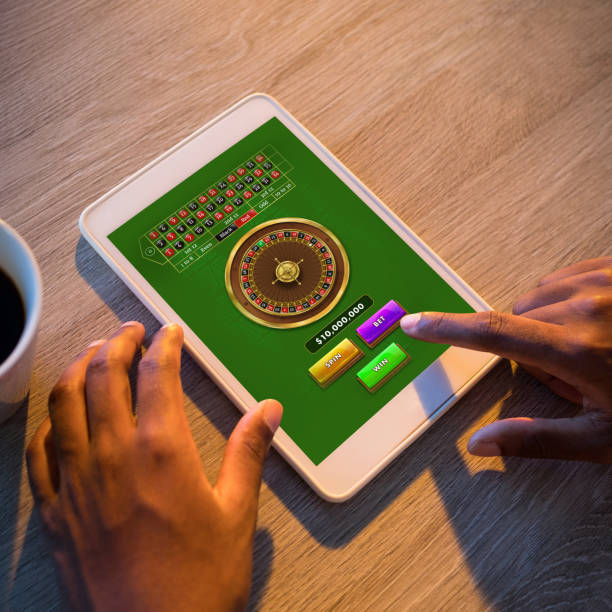
Another critical indicator is the inability to control the impulse to gamble. Many may experience a sense of excitement when betting, but when that thrill turns into a compulsion, it becomes a significant concern. If someone finds themselves gambling more than intended or chasing losses despite negative consequences, it’s time to acknowledge the potential for addiction.
Common Symptoms of Gambling Addiction
The symptoms of gambling addiction often extend beyond the behavior of gambling itself. Emotional distress is a common symptom, where individuals may experience feelings of anxiety, depression, or irritability when not gambling. This emotional turmoil often leads to a reliance on gambling as a coping mechanism to escape from life’s pressures. Recognizing the impact of gambling can be essential for addressing this issue effectively.
Financial difficulties are also a hallmark of gambling addiction. Individuals may run up debts, sell personal possessions, or even resort to theft to fund their gambling habits. This financial strain can escalate, leading to significant life problems, such as strained relationships, loss of employment, and even legal issues, which further perpetuate the cycle of addiction.
Impact of Gambling Addiction on Relationships
The repercussions of gambling addiction extend beyond the individual; they affect family and friends as well. Loved ones may feel betrayed or hurt by the behaviors of someone struggling with addiction, leading to a breakdown in trust. The constant lying or hiding of gambling activities can create a rift in relationships, resulting in isolation for the gambler and emotional pain for those around them.
Families often experience significant stress as they navigate the consequences of a loved one’s gambling habits. Children can be particularly vulnerable, as they may not understand the complexities of addiction. The impact on family dynamics can lead to long-term emotional scars that require professional intervention and support.
Effective Support Strategies for Recovery
Recovery from gambling addiction often requires a multifaceted approach. One of the most effective support strategies is seeking professional help through counseling or therapy. Cognitive-behavioral therapy (CBT) has shown positive results, helping individuals understand the triggers behind their gambling and develop healthier coping mechanisms.
Support groups also play a crucial role in recovery. Organizations like Gamblers Anonymous offer a community of understanding and shared experiences, providing individuals with the encouragement they need to overcome their addiction. Combining professional treatment with peer support creates a strong foundation for sustained recovery.

Resources for Gambling Addiction Support
Finding the right resources is essential for anyone dealing with gambling addiction. Many organizations offer comprehensive information and support tailored to individuals and families affected by gambling issues. These resources often include helplines, online forums, and local support groups that provide guidance and understanding.
Our website serves as a valuable resource, offering information on various support strategies and tools for managing gambling behavior. We aim to empower individuals to take charge of their gambling habits and provide the knowledge necessary for making informed decisions. Whether you or a loved one is seeking help, we encourage exploring the available support options to foster a healthier relationship with gambling.